

KNX CO2, Temperature, and Humidity Sensor Selection
Choose a room sensor that measures the right air, publishes usable KNX points, and gives the ventilation controller a defined response to missing data.
Device-focused guides covering KNX touch panels, actuators, sensors, gateways, and reliability details.
Choose a room sensor that measures the right air, publishes usable KNX points, and gives the ventilation controller a defined response to missing data.

Specify weather sensing around facade exposure, approved shading limits, fresh data, local priorities, and tested recovery—not just a list of sensor values.
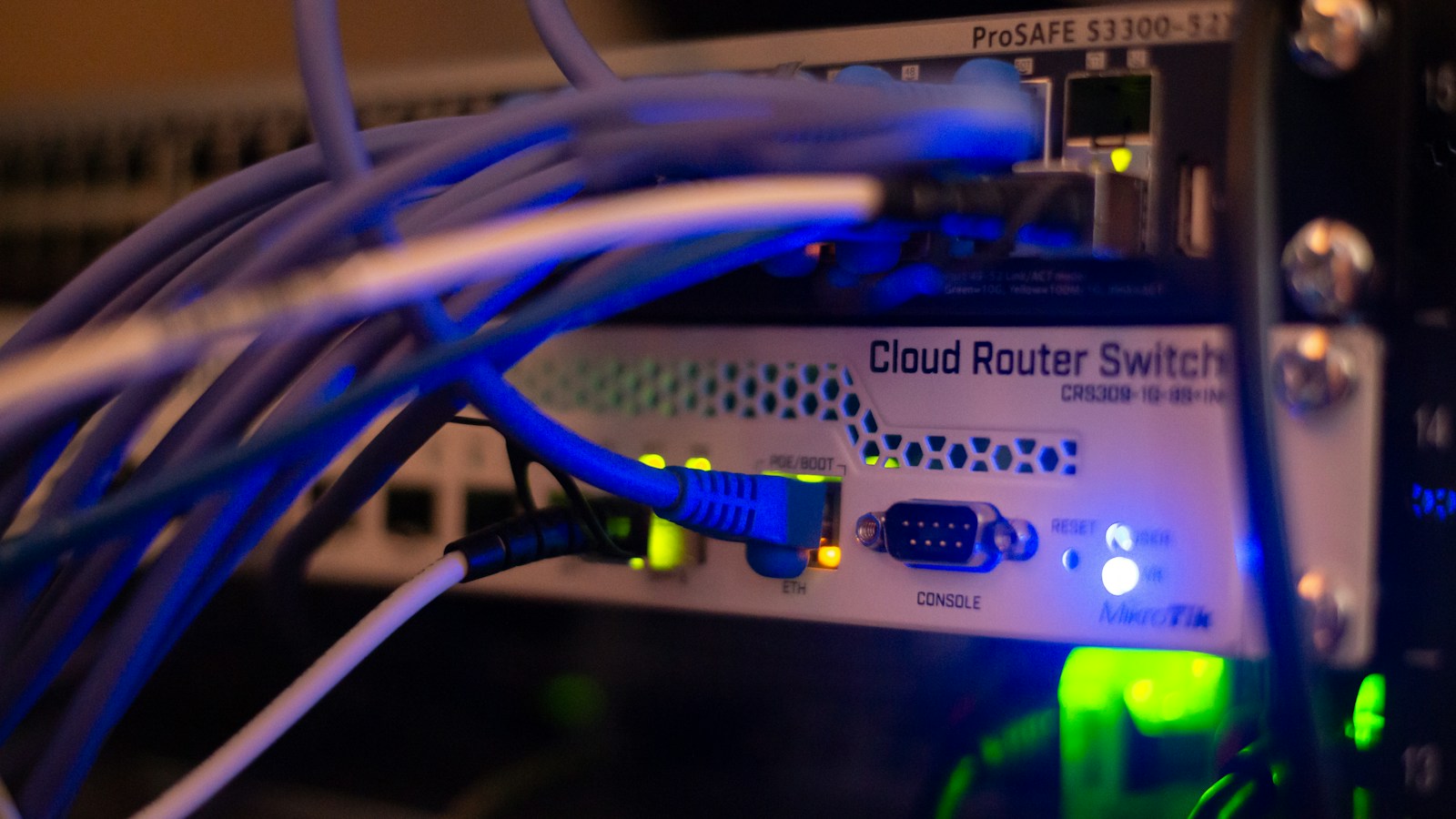
Separate topology role from communication medium, then choose the right coupler or router, address it correctly, and verify cross-line filtering.
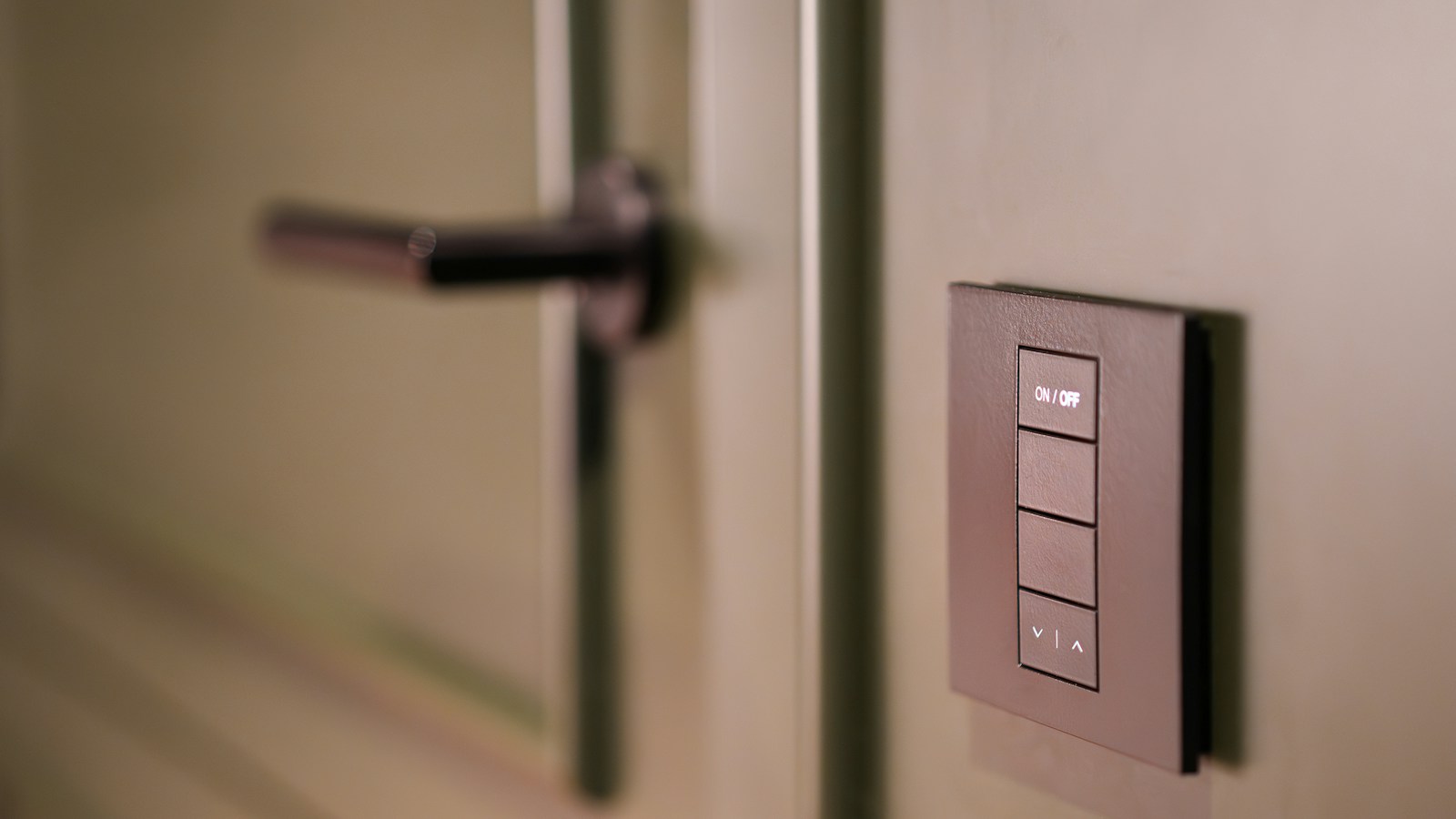
Choose wall controls by everyday actions and understandable feedback, with a button schedule, clear scene behavior, night settings, and room mock-up tests.
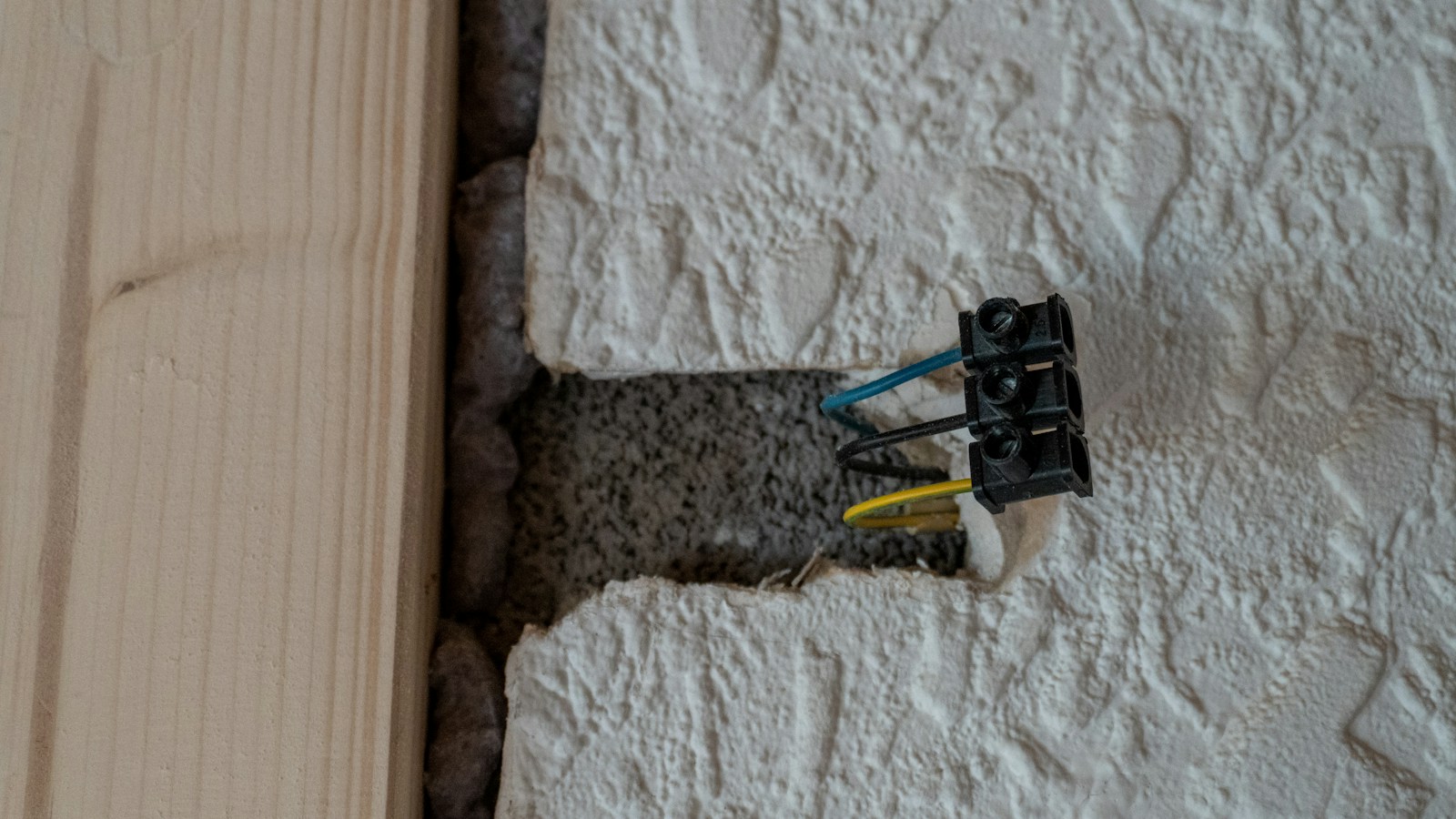
Ignore the product-family name until you have checked the input voltage, contact type, cable limits, channel modes, and required KNX behavior.
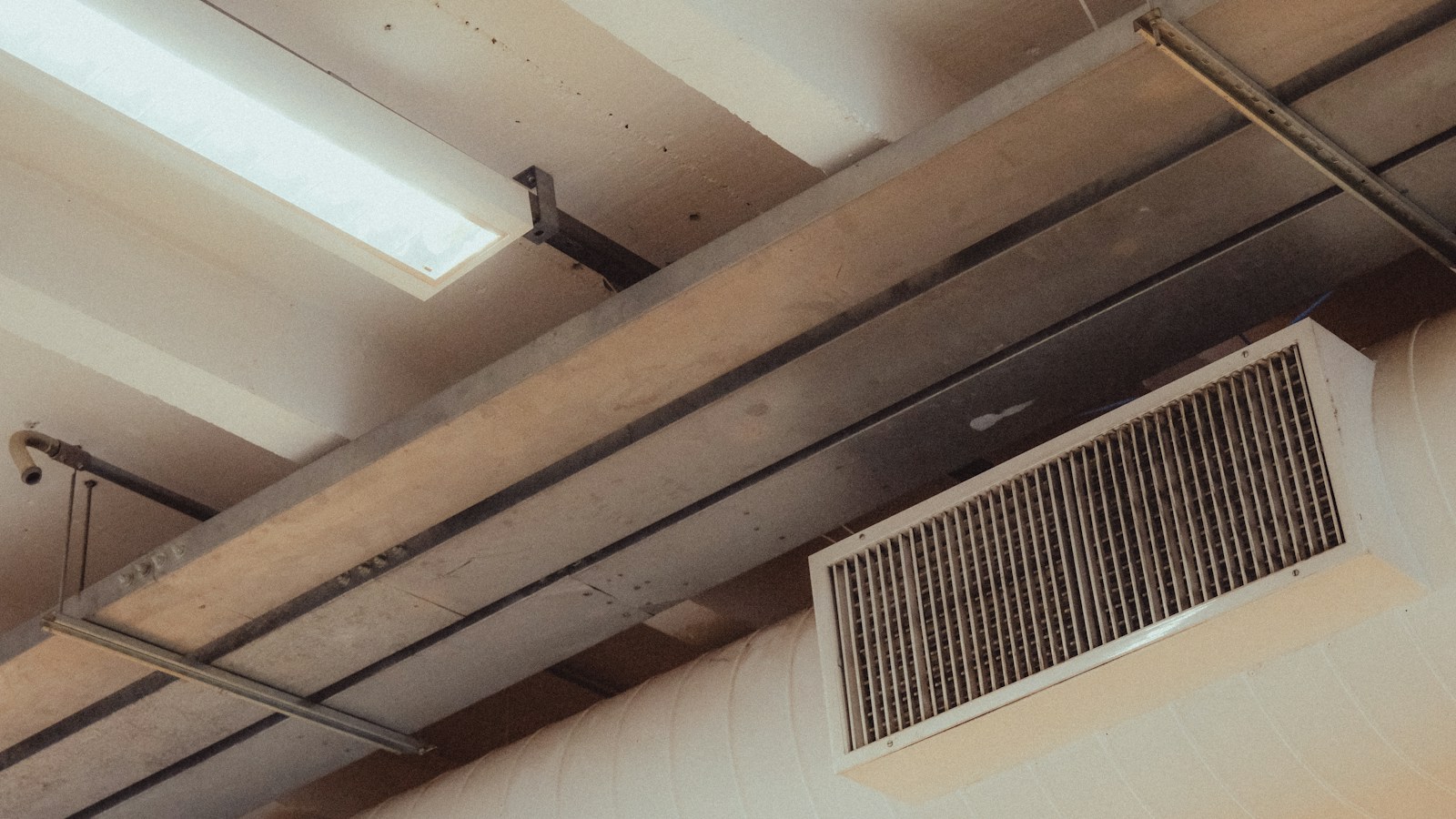
Select fan coil control by water circuit, valve interface, fan type, and controller ownership, then test changeover, interlocks, and communication failure.

Match the actuator to the motor interface, count complete drive channels, and specify reversal timing, position estimation, slat control, and weather priorities.
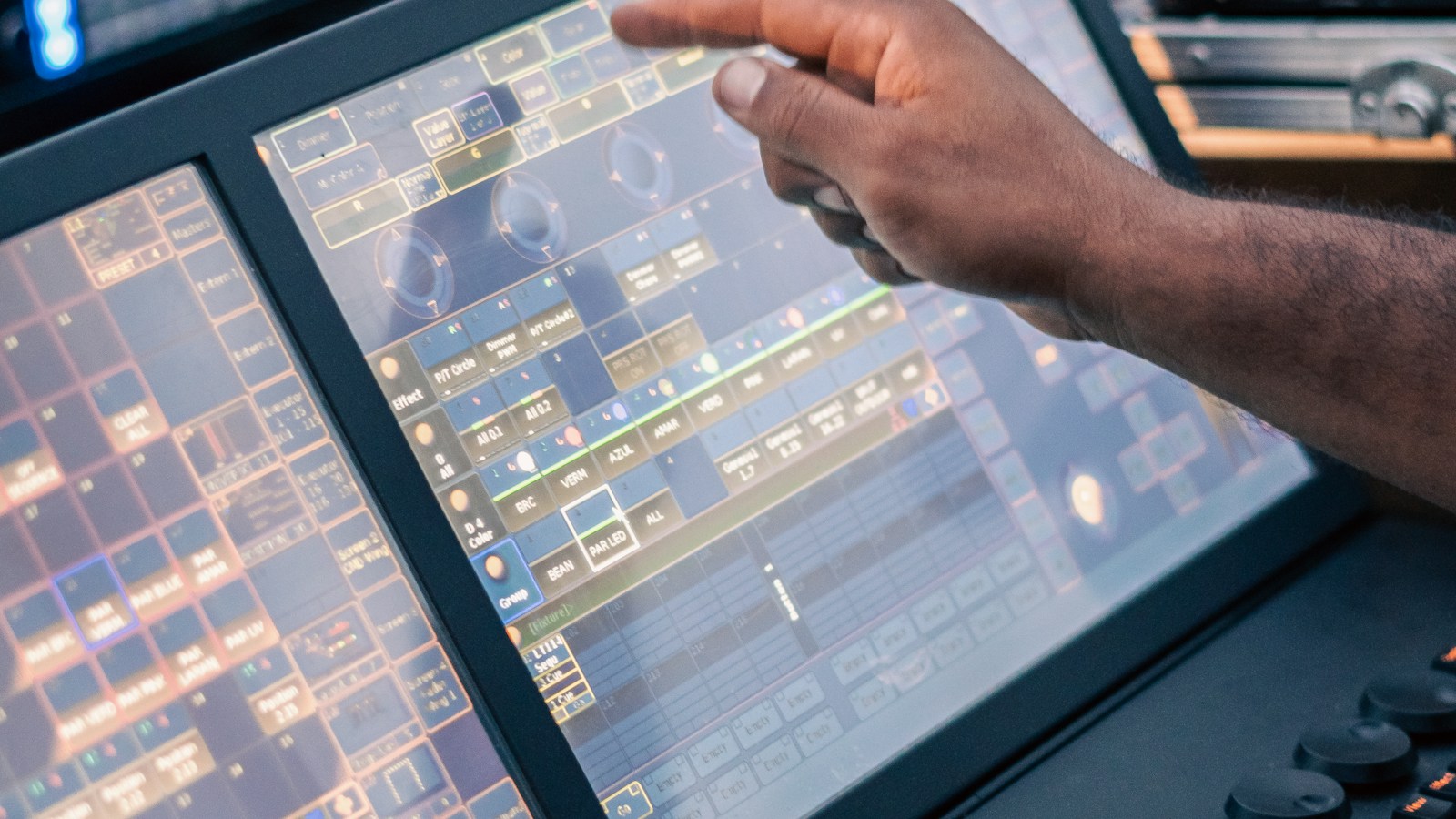
Compare KNX touch panel sizes by actual screen area, viewing distance, daily tasks, mounting constraints, and the cost of keeping the interface simple.
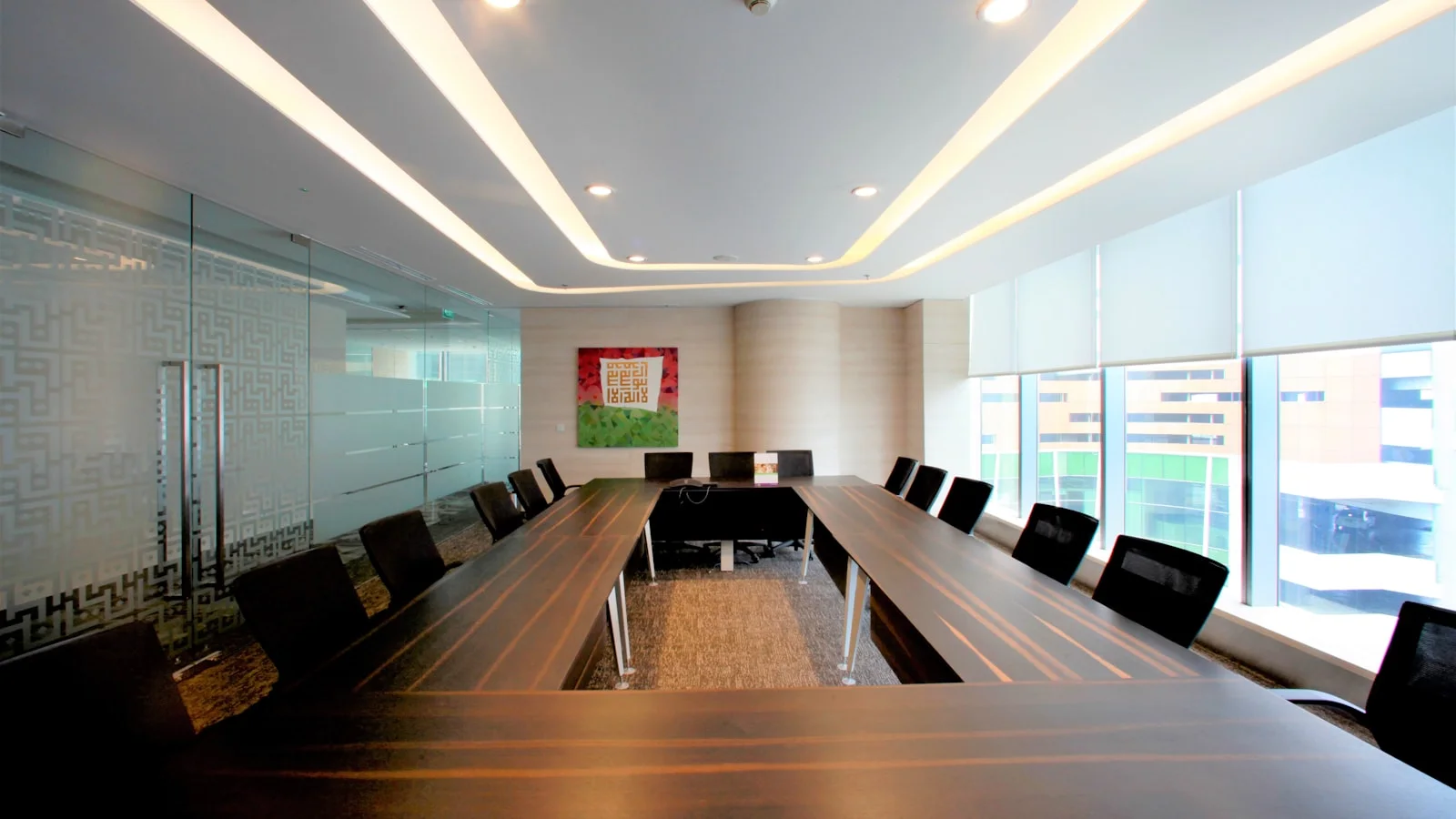
A field-oriented KNX presence sensor placement guide covering seated versus walking detection, mounting height, room geometry, daylight measurement, zoning, and commissioning tests.
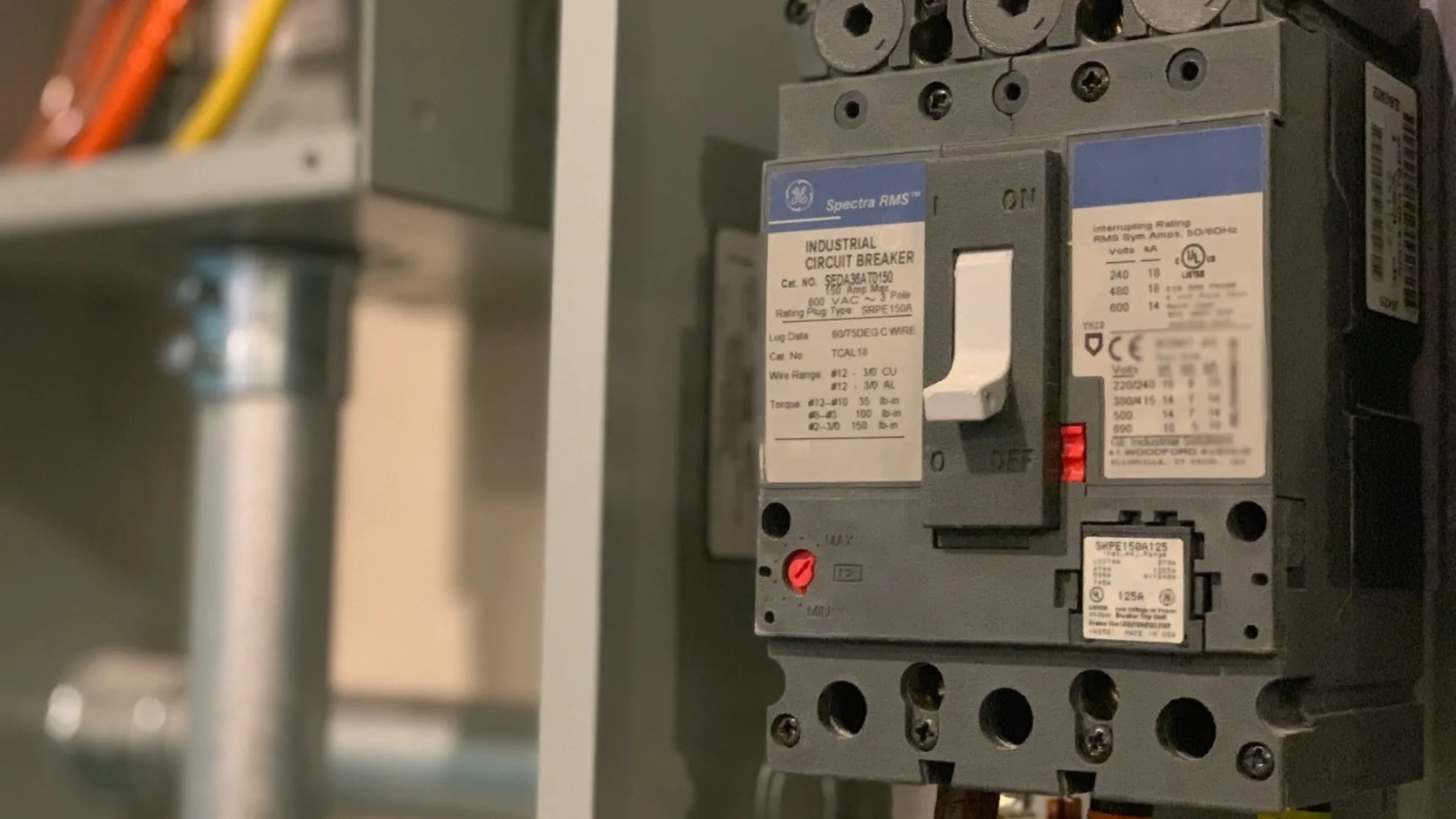
A practical method for choosing KNX actuator channel count using circuit schedules, load type, spare capacity, cabinet layout, fault impact, and maintenance.
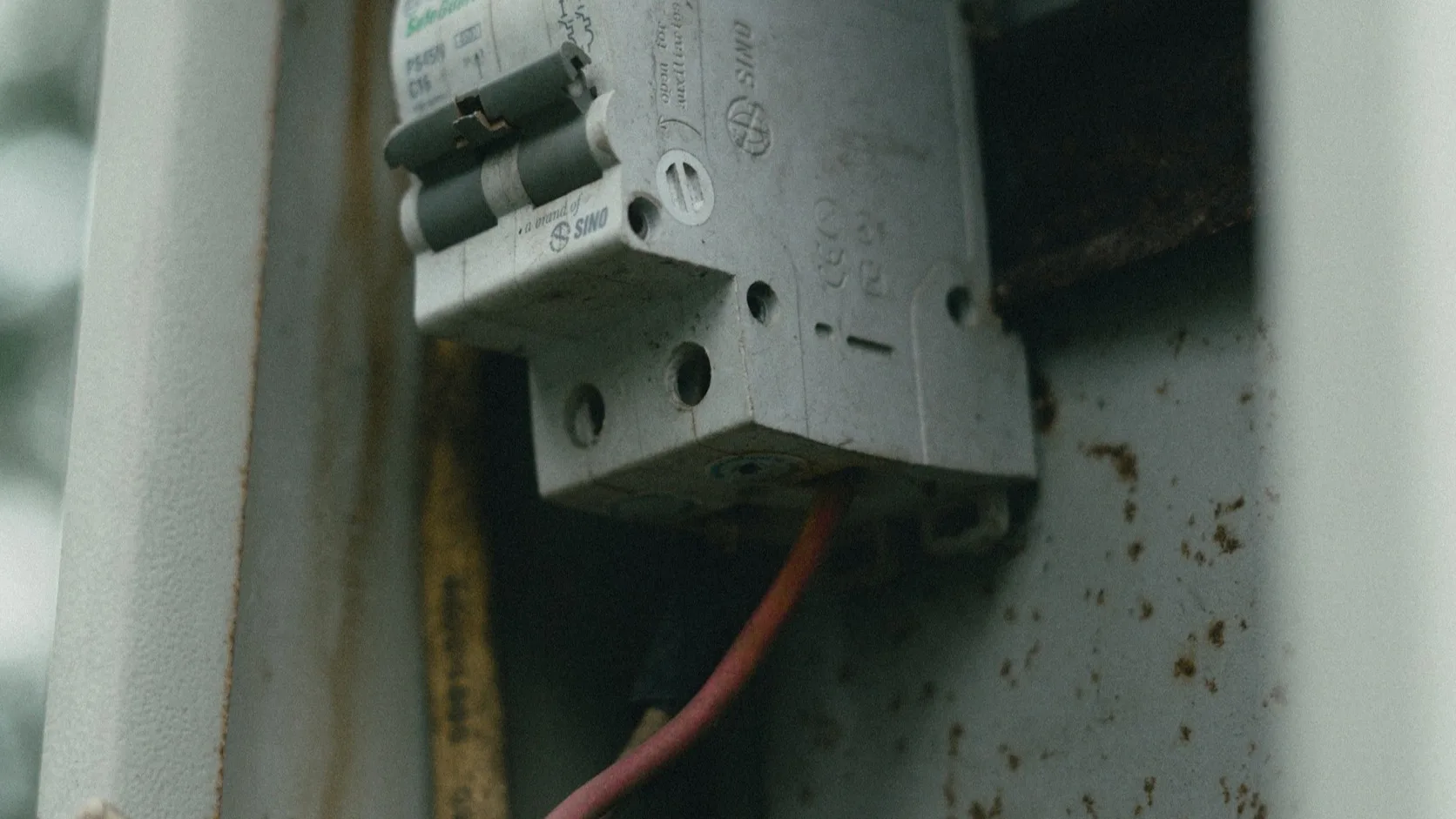
A practical method for sizing a KNX bus power supply by device current, topology, reserve, choke, diagnostics, auxiliary output, and recovery requirements.
A field guide to KNX phase-cut and 0/1–10V dimming, covering driver compatibility, minimum load, derating, relay isolation, curves, and commissioning.
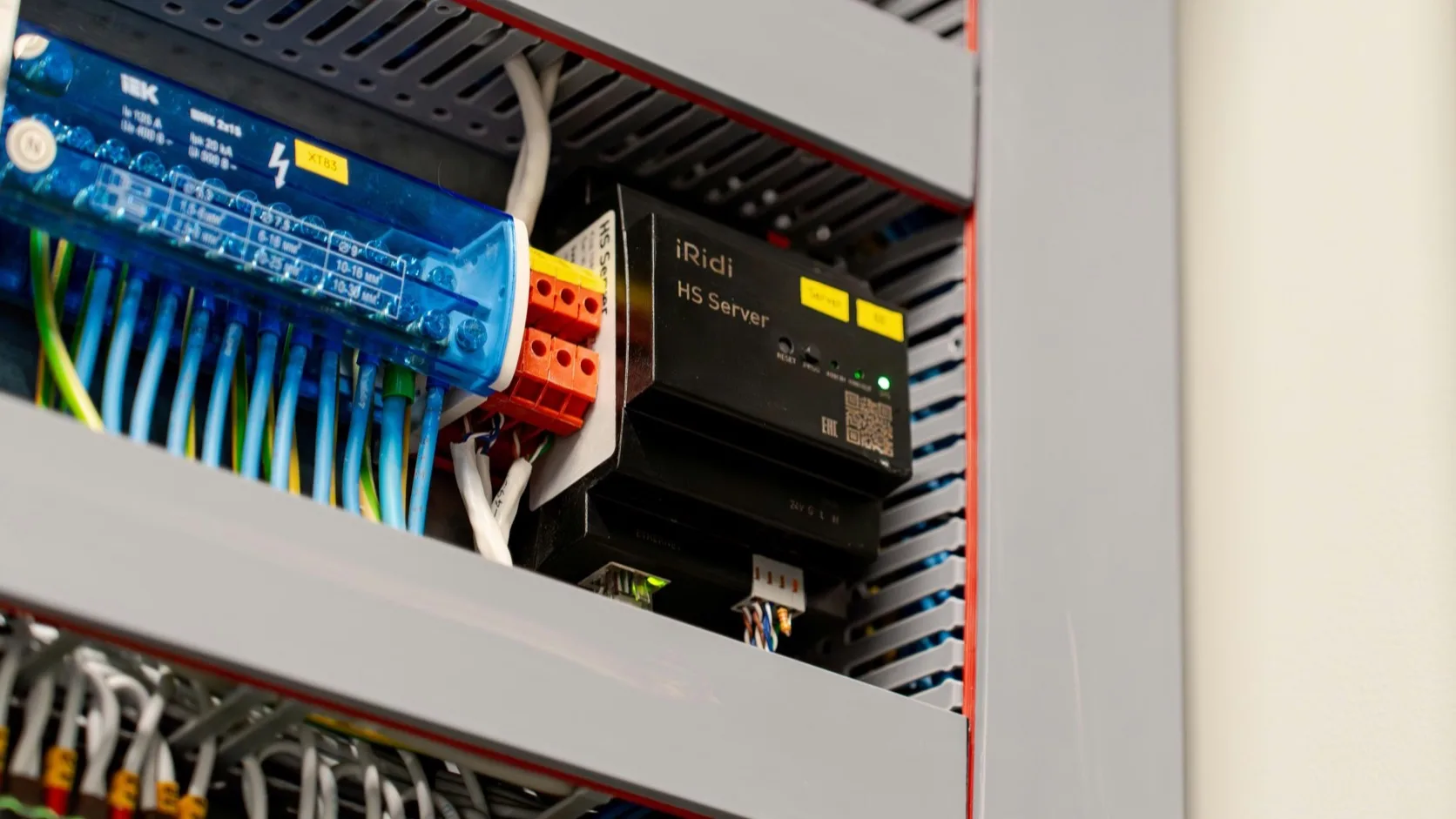
How to select a KNX switch actuator by load type, inrush current, relay rating, channel count, manual operation, feedback, and cabinet conditions.
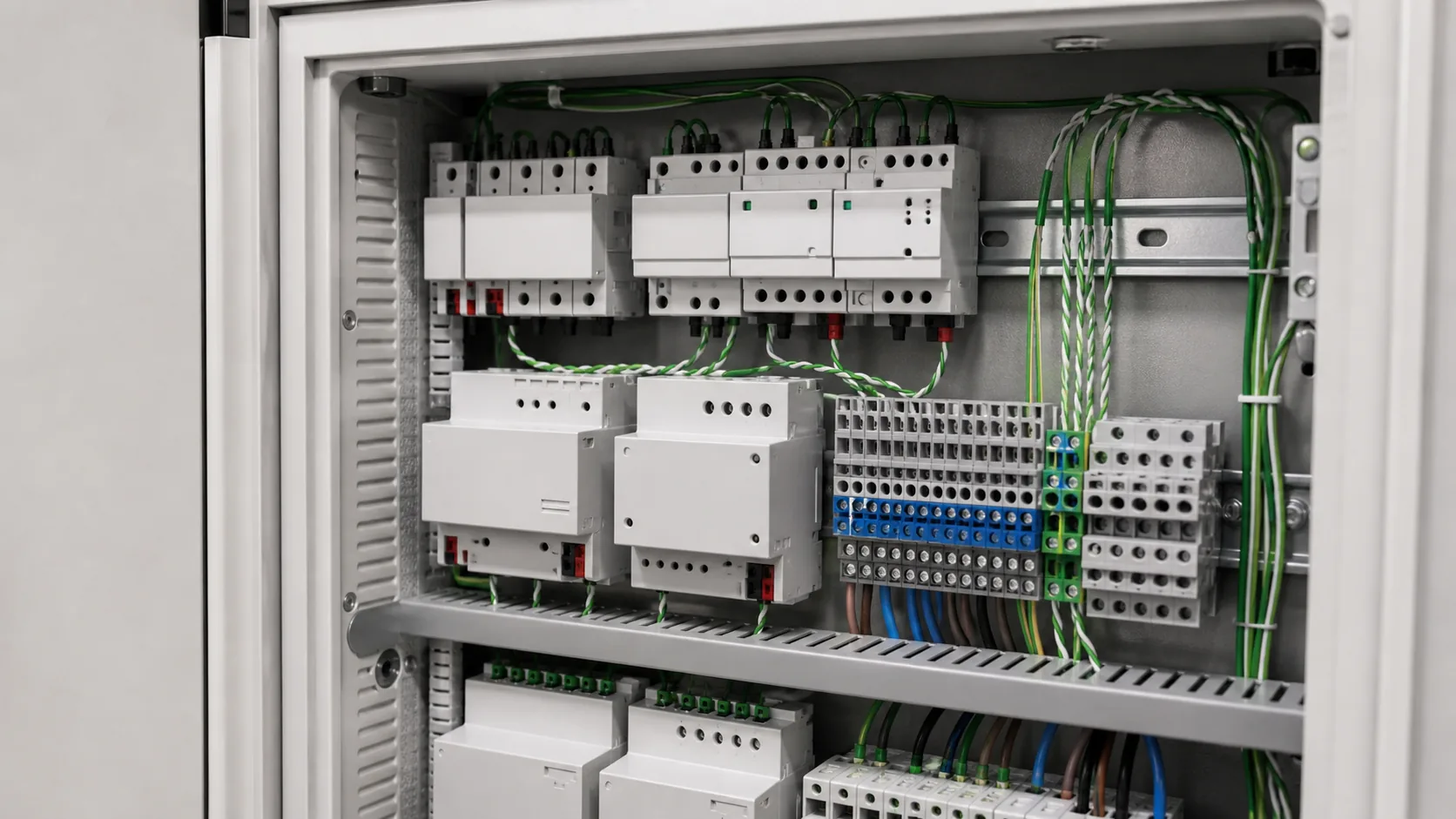
How to choose DIN-rail KNX devices by cabinet space, terminal layout, channel density, heat, service access, and future maintenance.
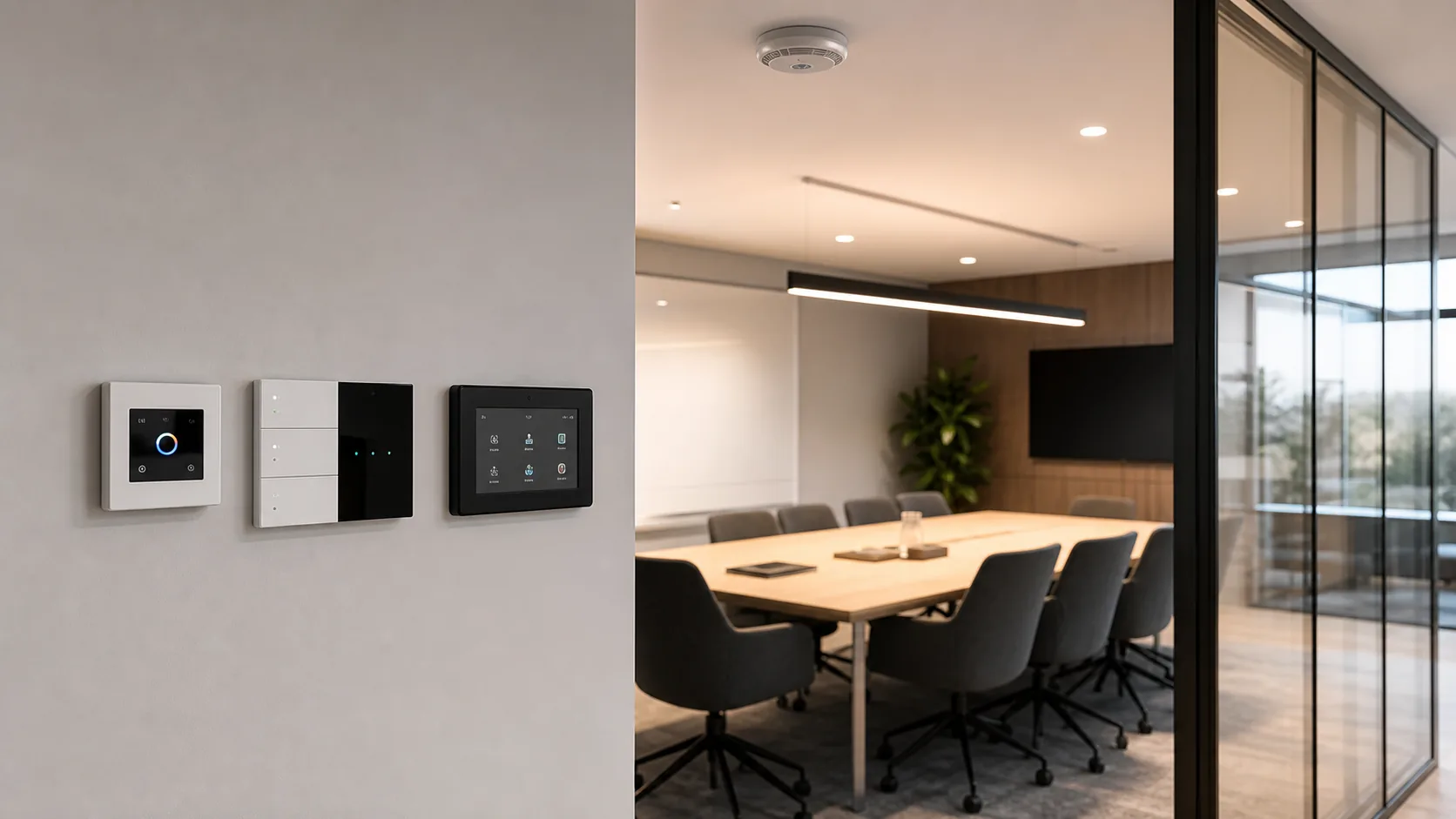
Compare room controllers, thermostats, sensors, and touch panels for HVAC, comfort control, hotel rooms, and smart offices.
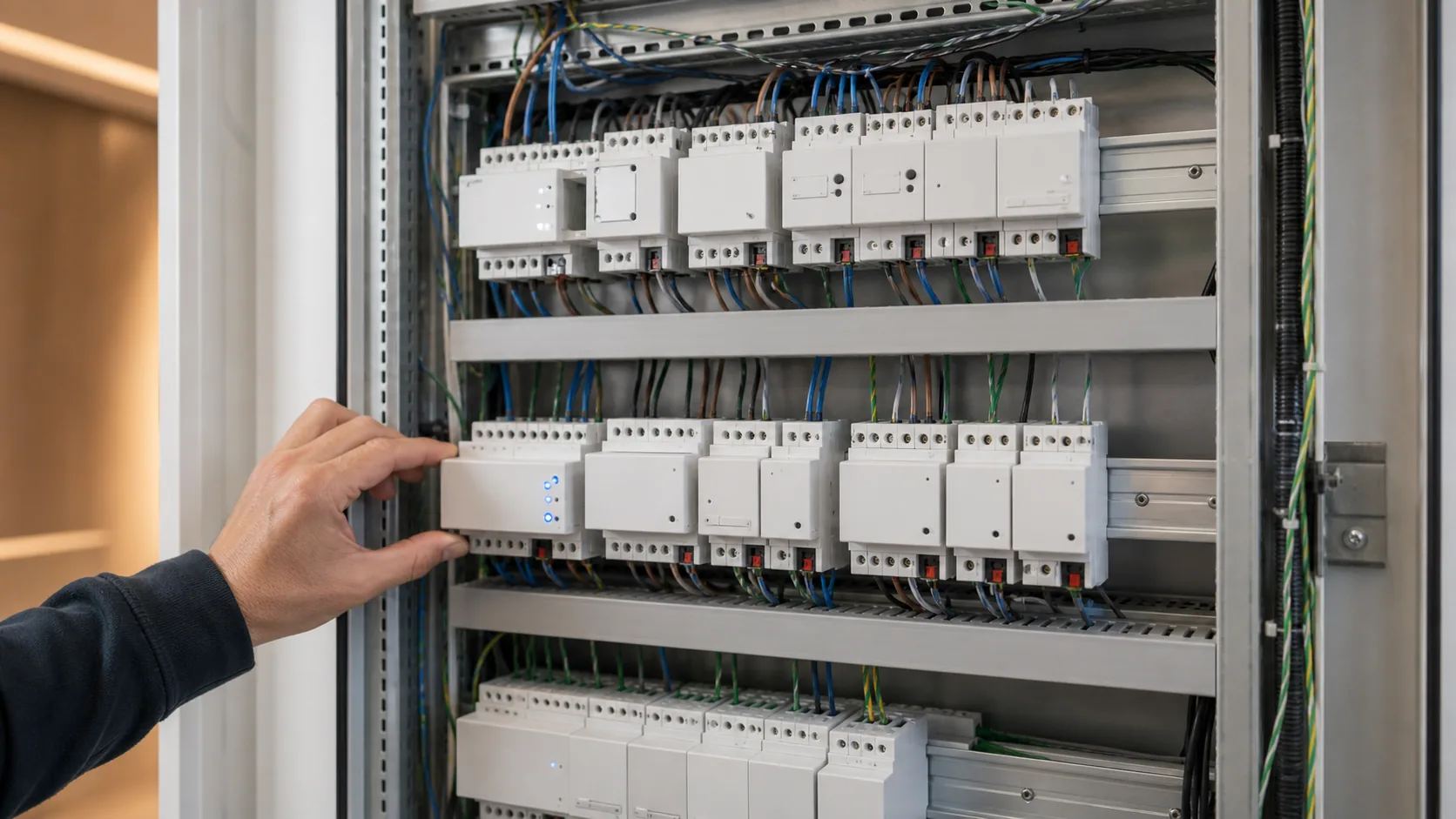
Understand relay, dimming, curtain, fan coil, and high-load actuator selection so electrical design matches real field conditions.
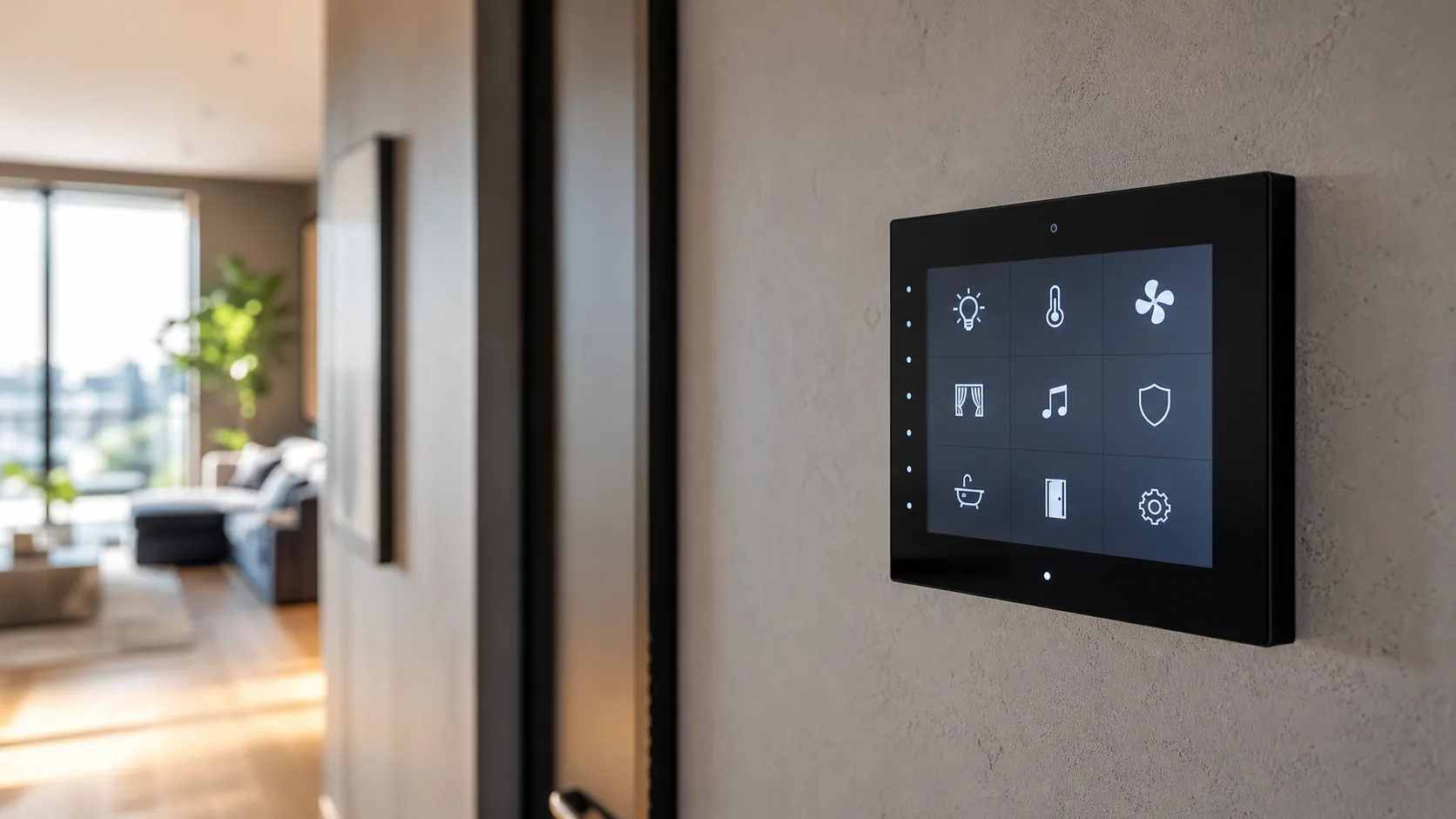
How to design KNX touch panel interfaces that are simple for occupants, useful for facility teams, and consistent across rooms and buildings.
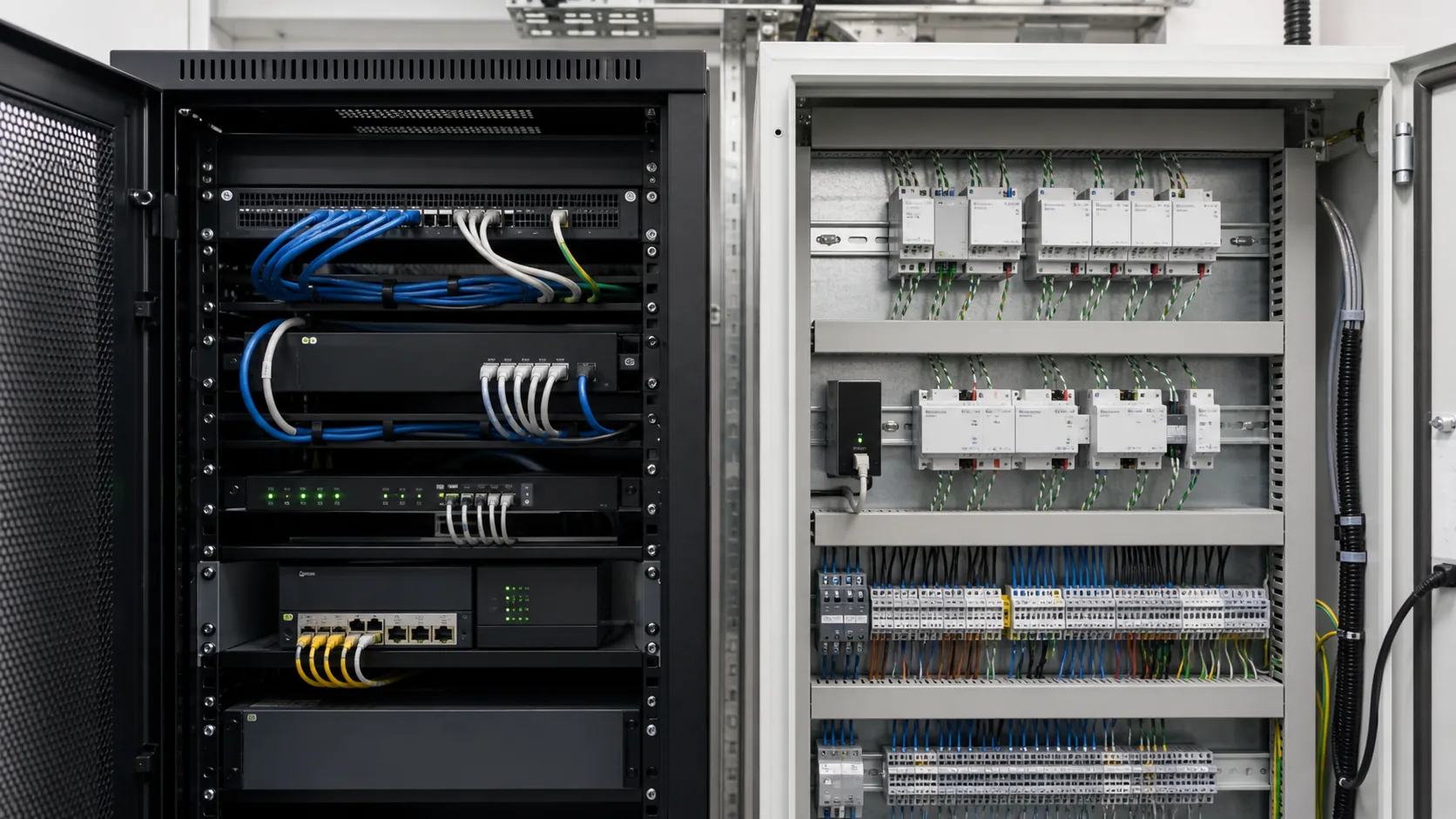
Understand the difference between KNX IP interfaces, routers, gateways, tunneling, line coupling, remote maintenance, and BMS integration.
Tell us about your KNX project — whether it’s a smart home, commercial building, or hotel automation system. We design and manufacture KNX-certified devices including actuators, sensors, touch panels, and system gateways for lighting, HVAC, and energy control applications.
Ready to collaborate? Reach out to our team — we’ll provide tailored recommendations for your KNX automation project.